MODEL MAFIA for commons and sense

There have been several moments throughout my career in fashion where I’ve questioned my place within the industry.

Fashion can be incredibly creative, expressive, emotional, and culturally powerful — but it also exists within a system built around overconsumption, speed, extraction, and constant growth. As a photographer and creative working within that space, I’ve often had to ask myself difficult questions about responsibility, ethics, and the role imagery plays in shaping desire and behaviour.

At one point, I seriously considered leaving fashion altogether.

What if creativity can become part of the solution. 


But the more I reflected on it, the more I realised that walking away wasn’t necessarily the answer for me. I had spent years carving out space within an industry still heavily shaped by the male gaze and narrow ideas around beauty, identity, and representation. I still believed deeply in the importance of female perspectives, emotional storytelling, and alternative ways of seeing.

What if creativity itself could become part of the solution?


This editorial for Commons & Sense Magazine was born out of that question.

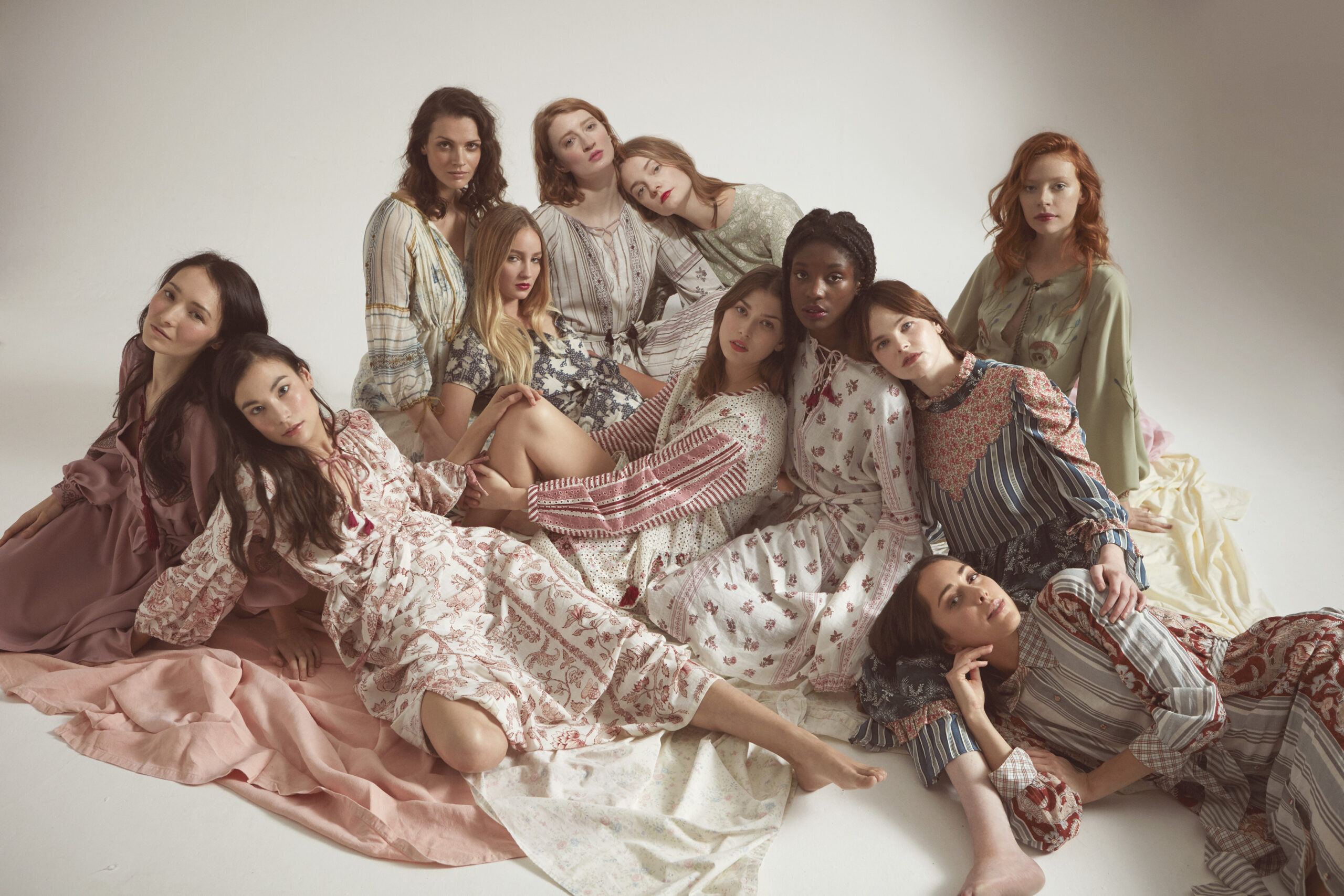
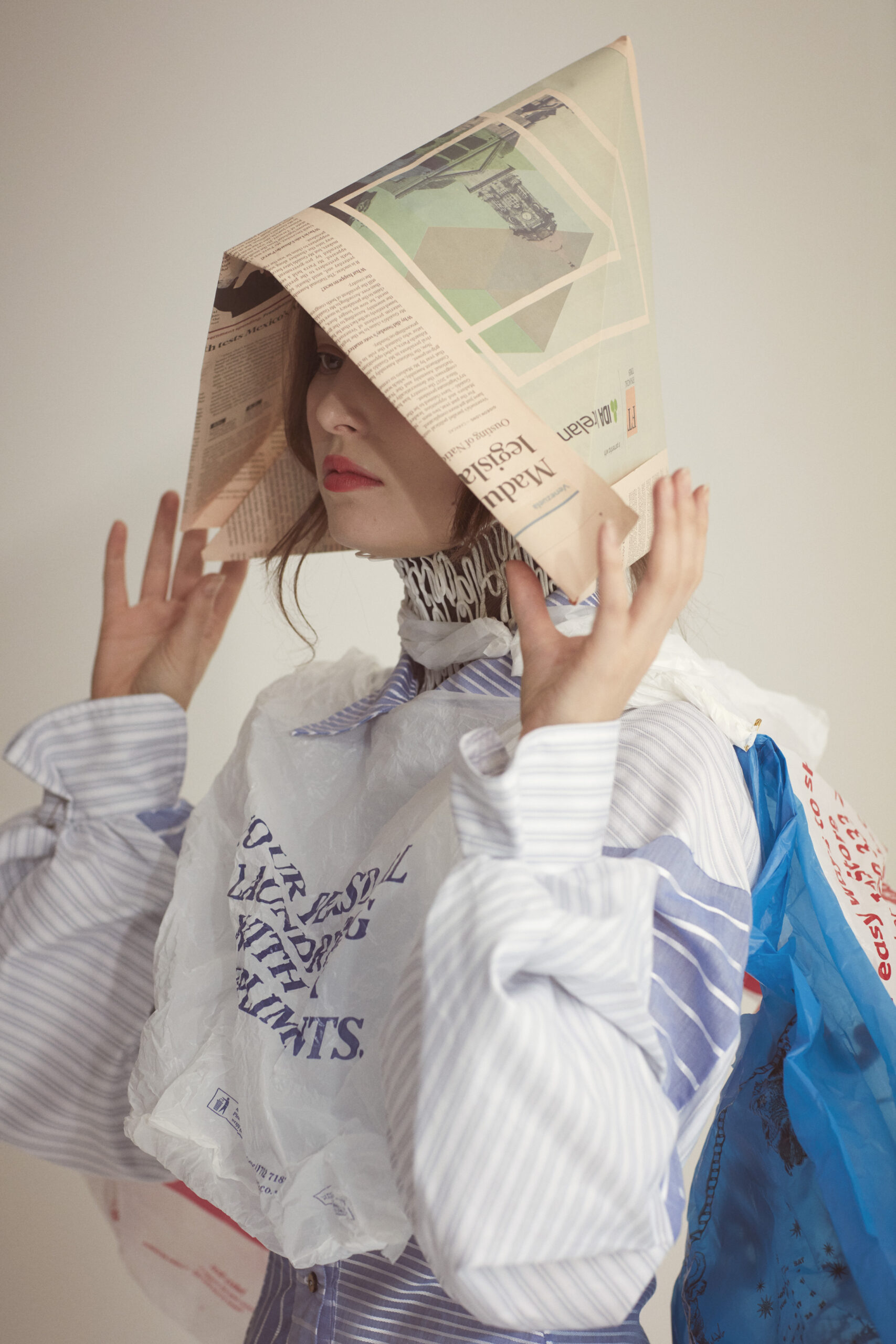
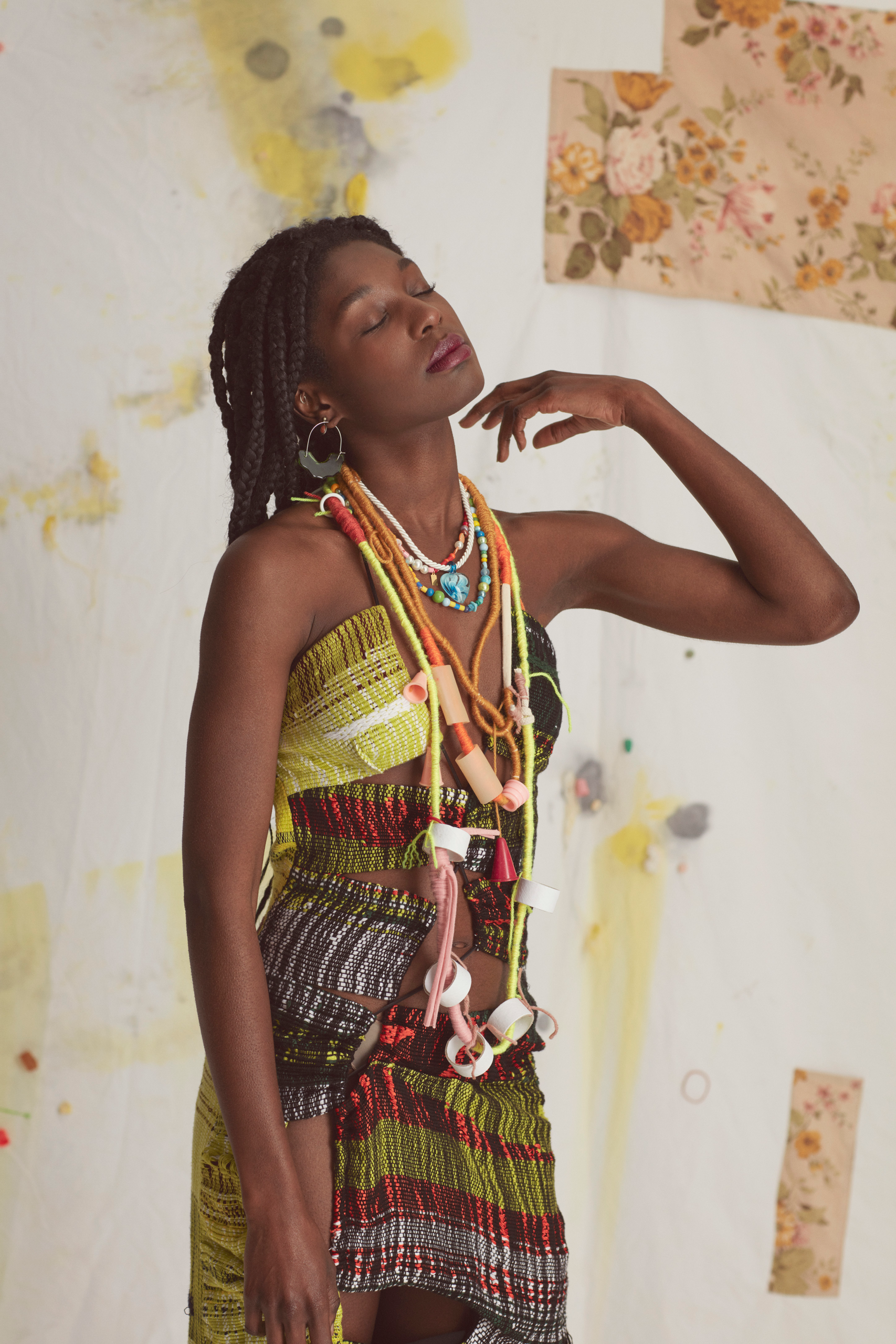
Created together with stylist Lauren T Franks and the incredible community Model Mafia, the story explored sustainability not as a trend, but as a cultural shift — something that touches every aspect of how we live, create, consume, and connect.

The editorial featured a collective of models, writers, entrepreneurs, organisers, and creatives who are all actively questioning the direction of the fashion industry and imagining something different: an industry that values people, planet, inclusivity, care, and community alongside aesthetics and commerce.


MODEL mafia

“Sustainability to me means making conscious choices to ensure that our planet is still a good place to live on when our children – and our children’s children – grow old. ⁠It means changing attitudes, mindsets, and behaviour patterns, and slowing down our endless cycle of always wanting more and more. While drastic changes are urgently needed from the top down at the levels of governments and power, I am a strong believer in the ability for every individual to make a difference. This can mean buying less or vintage, but also shopping from smaller, sustainable labels that keep our planet and all who live on it in mind. Looking into supply chains, educating oneself about different fabrics and materials, and (my particular passion) supporting all the amazing social enterprises out there. I believe that through education and community-building we can make a difference, and this is why I am part of Model Mafia.”⁠ Janice Sommers


I asked each participant what sustainability meant to them personally, and what emerged were conversations far deeper than fashion alone.

We spoke about conscious consumption, emotional wellbeing, vulnerability, softness, community-building, repair, ethical production, and reconnecting with nature. Sustainability became less about perfection and more about awareness — about learning to move through the world with greater care and intention.

What I loved about this project was that it refused the idea that sustainability has to feel restrictive or joyless. Instead, it celebrated creativity, individuality, beauty, and collaboration while asking bigger questions about the systems we participate in.

What kind of fashion industry do we actually want to build?
What kind of values are we promoting through images?
And how can creativity help us imagine alternatives to endless consumption?


FASHION SOMETHING GOOD?


I still believe fashion has enormous potential to become a force for positive cultural change. The industry holds so much talent, imagination, innovation, and influence. If even part of that energy were redirected towards creating systems rooted in sustainability, fairness, representation, craftsmanship, and long-term thinking, fashion could help shape a very different future.

For me, projects like this are about reclaiming fashion imagery as a space for conversation, activism, vulnerability, and hope.

Not simply selling a lifestyle — but imagining a better one.
2 Comments

  • Sofia

    Isn’t the whole concept of fashion just entirely un-sustainable?

    • Linda L

      To disregard fashion as entirely unsustainable and not engage does not put enough thought into a multibillion dollar industry that reaches every corner of our society in various ways. We need to engage. Improve, question and do better. I agree finding ways of discussing sustainability in traditionally capitalist spaces is a good idea.

Comments are closed.