

Is there a place for mending fashion in editorial pages
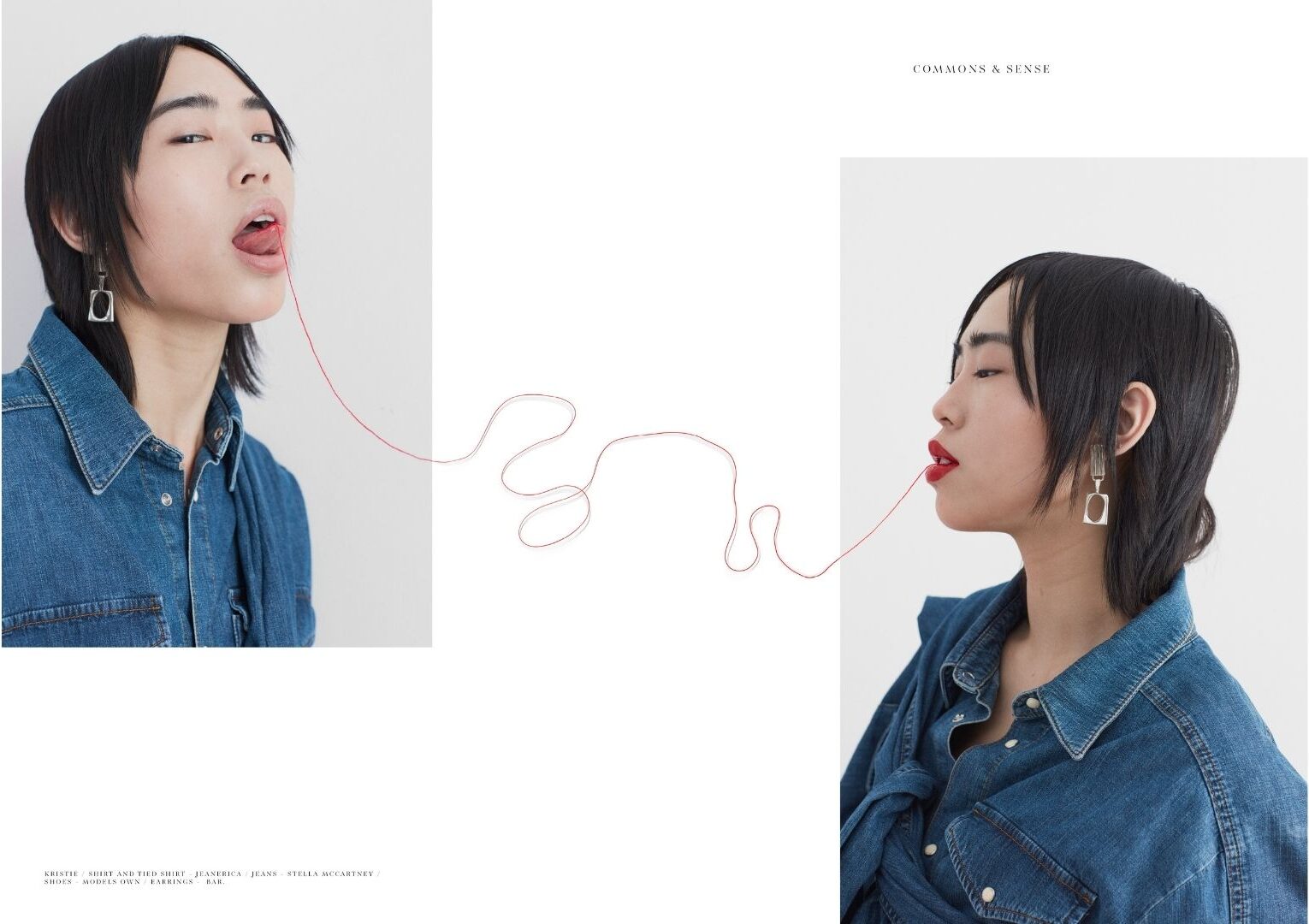
Some time ago I photographed an editorial for Commons & Sense Magazine together with stylist Lauren T Franks.
From the beginning, we wanted to create a fashion story that explored sustainability without losing beauty, emotion, craftsmanship, or imagination. The editorial became a reflection on repair — not only of clothes and textiles, but of fashion culture itself.
To Mend was our attempt to imagine another direction – one rooted in craftsmanship, slower processes, sustainability, and emotional connection to the things we own.
The story was created together with art director Hannah Coates and centred around the idea of mending: emotionally, environmentally, culturally, and collectively.
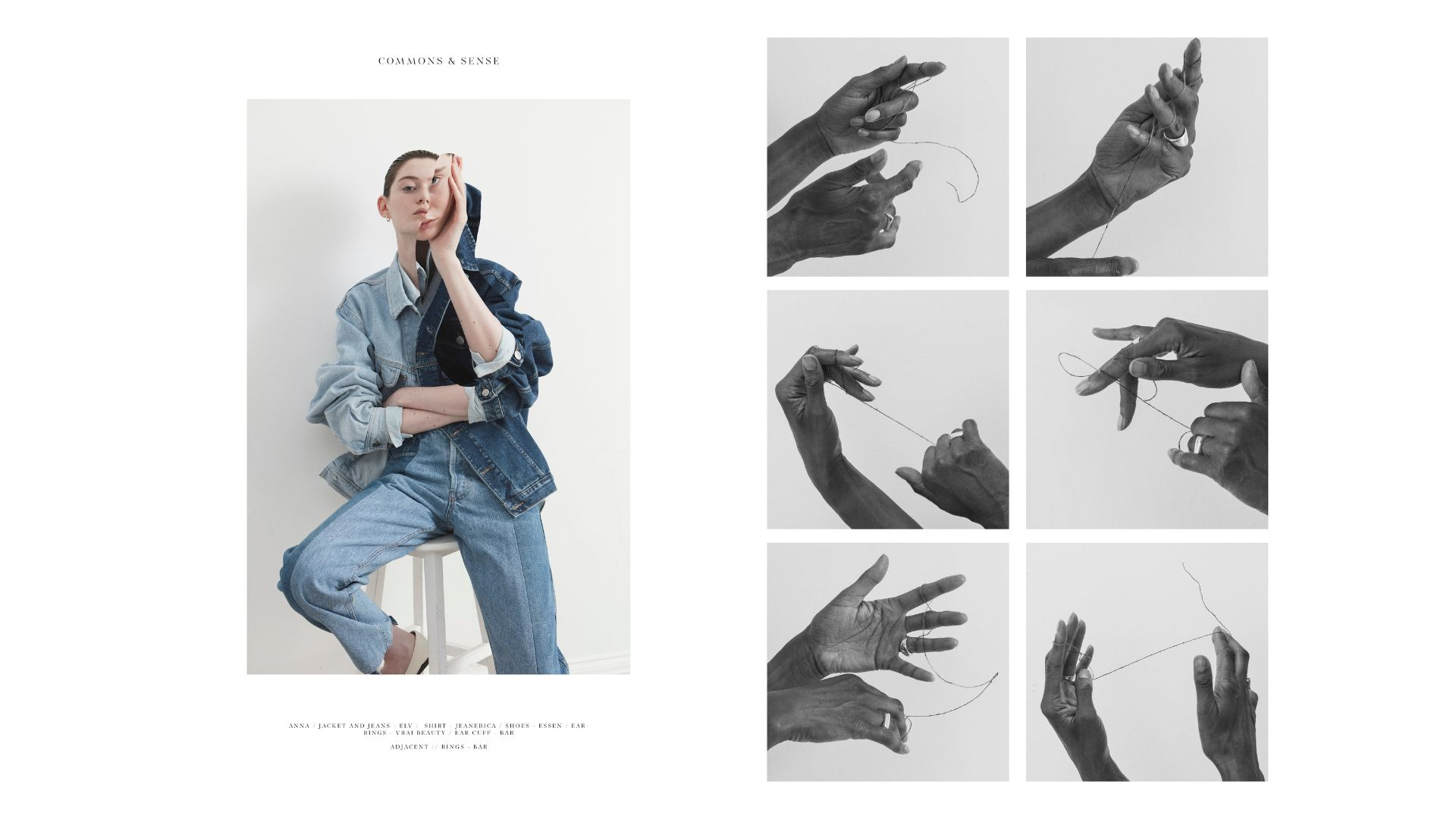
Using preloved fashion, repaired denim, sustainable brands, and handcrafted textile work by artist Yiran Duan, we explored how clothing can carry memory, care, longevity, and meaning.
A major inspiration behind the editorial was traditional Japanese philosophies such as Wa and Mottainai — ideas rooted in harmony, balance, respect for resources, and avoiding waste. We were also deeply inspired by the Japanese textile traditions of Boro and Sashiko, where worn fabrics are repeatedly repaired and strengthened through visible stitching and patchwork.
Rather than hiding wear and damage, the repair becomes part of the beauty.
That idea felt incredibly relevant within contemporary fashion culture, where speed, overconsumption, and disposability have become normalised. To Mend was our attempt to imagine another direction — one rooted in craftsmanship, slower processes, sustainability, and emotional connection to the things we own.
Throughout my career in fashion photography, I’ve met very few creatives who actually want to contribute to environmental destruction. Most people working within fashion genuinely care about creativity, culture, and expression, yet many also feel conflicted about the systems the industry operates within.
This editorial became a way of opening up those conversations visually.
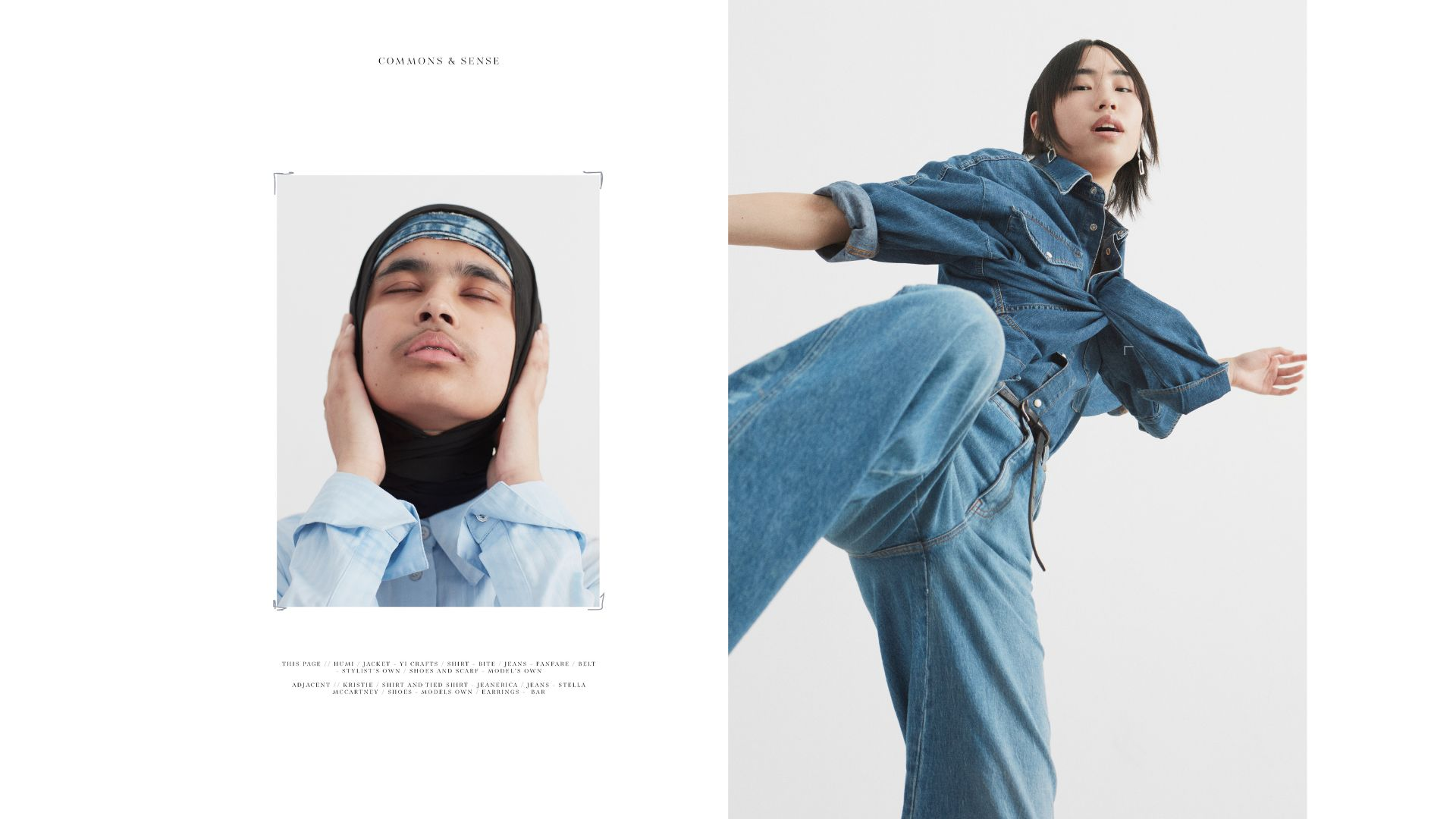
Fashion imagery has enormous power. It shapes aspiration, identity, behaviour, and desire. I believe it can also help shape different values — encouraging care over consumption, longevity over disposability, and community over constant extraction.
Working on To Mend reminded me that fashion can still be imaginative, emotional, and visually powerful while also carrying a deeper message and responsibility.
What would happen if we collectively redirected all this creativity towards building a greener, fairer, and more compassionate future?
What if, instead of endlessly replacing things, we began repairing what’s broken?
One stitch at a time.
1 Comment
Comments are closed.
Laura
Love japanese mending methods- wonderful to see in editorial settings.